
The First Click Test is a user experience method that monitors where users try to click first when attempting to complete a task on a website or app. The method is based on the recognition that if users get their first click right, they are far more likely to complete their task successfully. On the other hand, if their first click is wrong, the likelihood of frustration and continued failure increasing is significant. Because of this strong predictive relationship, first click testing has become a fast and reliable way to evaluate navigation clarity and information architecture early in the design process.
Performing a First Click Test is very easy. First, a clear and realistic task needs to be defined. The task should describe a specific goal, such as “Where would you go to change your password?” rather than something vague like “Explore the settings.” If it is too broad, the user might take additional unnecessary to determine what the task is. Next, users are shown the interface and instructed to click where they would begin completing the task. Only the very first click is recorded. That data is recorded and designers analyze where the clicks cluster. If most users click in the correct area, the design likely supports the desired navigation. If clicks are scattered or concentrated in the wrong area, revisions are needed.
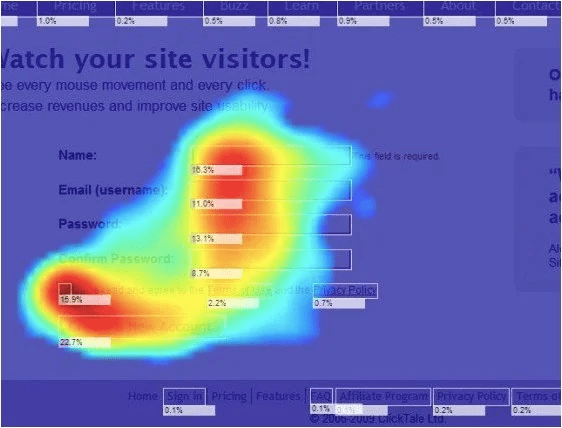
Several tools make first click testing accessible and efficient. There are platforms, such as Optimal Workshop, UserTesting, and UsabilityHub that provide structured environments for uploading prototypes and collecting click data. These tools generate visual reports, including heatmaps that show clusters of user clicks using color intensity. Red or “hot” zones indicate areas where many participants clicked, while sparse areas reveal confusion or uncertainty. These visualizations help designers quickly interpret results and identify patterns.
The First Click Test is a quick, cost-effective, and highly practical usability method. By focusing on where users begin their journey, designers gain valuable insight into whether their interface aligns with user expectations. In many cases, improving that very first click can dramatically improve the entire user experience.
 From Nockmaar to Tir Asleen
Leave a comment